• What we do

    full-cycleFull Cycle Developmentstaff-augmentationIT Staff Augmentationai-developmentAI DevelopmententerpriseEnterprise Application Developmenttech-consultingTechnology Consulting
    Service Preview
    full-cycle
    Service preview

    Full Cycle Development

    End-to-end software development from concept to deployment, using cutting-edge technologies and best practices.

    Learn more
  • Blog
    In-House Software Development VS Outsourcing: Strategic Guide for 2026The DeviLLM Bargain: Gain Superhuman Speed… But Can You Handle the Risk?The JavaScript Diet: 33% Bloat Loss.Pretty Lies or Ugly Truths? Debunking 10 Software MythsIs SaaS Dead? Rethinking Software's Role
    Company News
    Process Monitoring Events - Version 4.1 Official LaunchScientific Paper: Refinement of the Cauchy-Schwartz inequalityTensorial Simpson Type Inequalities of Self Adjoint Operators in Hilbert SpaceGeneralization of the Buzano's Inequality and Numerical RadiusNew Partnership with HomeStory Rewards Corporation
    Case Studies
    Operations, Synced: End-to-End Live Process Monitoring Meetings, Transformed: Gesture-Led WorkspaceFrom Static to Addictive: Content Exchange PlatformOne Hub. Unified Fintech Control.The New Blueprint: AI-Driven Mortgage Engagement
    Featured resource
    Featured article

    Operations, Synced: End-to-End Live Process Monitoring

    Integrated disconnected tools and data sources to deliver real-time operational insight for a 200+-employee SaaS, IoT, and FinTech enterprise.

    Read more
    See all case studies
  • About Us
  • FAQ
Get Started

We deliver advantage beyond features.
What will you ship?

Get Started
  • Full Cycle Development
  • IT Staff Augmentation
  • AI Development
  • Enterprise Application Development
  • Technology Consulting
  • Case Studies
  • Blog
  • Company news
  • About
  • FAQ
  • Contact Us

Follow Us

Site MapTerms of UsePrivacy Policy
© Energmа 2026. All rights reserved.
Železnička 94, 11300 Smederevo, Serbia
Article thumbnail

Leveling Up UX: How Gamification Influences User Engagement

The first recorded game was carved into clay four thousand years ago. We haven't stopped playing since. We just moved arenas online. Yet people will grind twelve hours to level up in a game, but won't finish onboarding in your app. That's not a user problem. That's a design failure.

Your users open the app. They scan the dashboard. They close it and repeat tomorrow. Until they don't. You've shipped features. Your UI is clean. Your backend is solid. But engagement is flatlining while your competitor with a clunkier product has users logging in daily. The difference? They've engineered compulsion while you've engineered features.

Quick Summary

  • Humans are wired for play and good UX gamification turns that instinct into engagement
  • The best apps feel rewarding to use and can boost loyalty by up to 47%
  • AI and behavior data will personalize gamification in real time
  • Strategic gamification turns retention into habit, not coincidence
  • Always test, measure, and adapt gamification elements with user data

What is UX Gamification?

Gamification in UX involves applying game-like elements and mechanics to non-game environments. The goal is to tap into the psychological triggers that make games compelling and apply them to motivate users in other contexts. It engages users and encourages them to use the software actively. As they interact with the platform they get rewards, motivating them and bringing a feeling of accomplishment and progress.

Gamified elements are a powerful tool for SaaS growth. They can help increase user engagement and loyalty by up to 47%, leading to higher retention rates and customer satisfaction. Why? Because when users are actively participating and having fun, they're more likely to stick around, explore features, and ultimately become brand advocates.
Types of Gamification

Marketing and sales gamification

Gamification techniques are used for marketing campaigns to generate leads, increase conversion and brand awareness through fun and reward.

Take Magnum Ice Cream's "Pleasure Hunt." Users raced across the internet collecting "chocolates" hidden on sites like YouTube. It was a digital treasure hunt wrapped in indulgence. Every score could be shared, spreading the game faster than ads ever could.

The payoff? 725,000 new website visitors and one of the most shared brand URLs on X.

User experience gamification

Gamification turns routine interactions into rewarding experiences. Progress bars, streak counters, and unlockable features tap into the same psychology that keeps players hooked — visible progress, instant feedback, and the thrill of completion.

Users don't just use the app; they play it. Each tap brings a reward, every login feels like progress, and every session pulls them deeper into engagement.

Progress tracking elements

Progress tracking elements improve user engagement by allowing users to see their progress in real time. They can also compare and see how they measure up to others, which motivates them to use the platform more to improve their status.

Progress bars

Progress bars visually show users how far they've come and how close they are to completing a task. That glimpse of near-completion tends to urge pushing until it's done. By seeing their progress in real time, users feel accomplishment building with every step, and that small dopamine hit keeps them coming back until the bar is full.

Scoreboards

Scoreboards display user scores in direct comparison to others, influencing users' desire to compete. That visibility transforms performance into a game where every point earned becomes a reason to come back and climb higher.

Leaderboards

Leaderboards rank users and spotlight the top performers. Seeing their name on a leaderboard motivates users to maintain or improve their rank. It transforms ordinary usage into competition, pulling users back to chase the top spot.

Levels

Levels represent the milestones users reach as they complete tasks. Each unlocked level delivers a sense of progress and accomplishment. It keeps users engaged by setting clear goals and rewarding them every step upward.

Rewarding elements

In-app rewards (just like tangible ones) trigger the same drive to return and win more. They are small virtual dopamine hits that keep users hooked on the next achievement.

Points/coins

Users earn points or coins by completing actions and finishing tasks. They act as an instant reward system, showing visible proof that effort matters. Each win feels like progress and drives repeated interactions with the platform to collect more.

Achievements

Achievements mark the milestones users unlock as they complete different actions. Each one delivers proof and recognition for their efforts. That spark of accomplishment fuels motivation, driving users to keep chasing what's next.

Badges

Badges are visual tokens of recognition users can collect. They provide a sense of pride and accomplishment. By progressing, users are pulled to get that cowboy's hat or king's crown, increasing their mastery and engagement.

Unlockable elements

Unlockable elements include features, levels, or items that become available after specific achievements. They create a sense of progression and reward, giving users something to strive for. That drive keeps users exploring deeper, returning often, and pushing to unlock new content.

Narrative elements

Monkey on the moon. Panda on a cloud. A samurai in a sakura garden.

Narrative elements inside a platform turn functionality into experience, giving users a story to live inside — something personal, emotional, and memorable. When they see themselves as part of that story, they stop being transactional and become instinctive.

Mascots

Mascots are characters that guide and accompany users through the platform. They inject personality and warmth, turning sterile interfaces into living experiences. Beyond design, mascots anchor emotional connection. When users bond with them, every interaction feels more personal, human, and alive, with some even seeing them as virtual friends or companions.

Avatars

Avatars allow users to create and customize their digital identity. Personalizing an avatar gives users a sense of ownership and presence within the platform. When users see themselves reflected in the product, engagement and experience become emotional.

Tasks

Tasks are specific activities users complete within the experience. Clearly defined tasks give users direction and purpose. They drive engagement by creating structure, setting clear goals, and building a constant sense of achievement.

Storyline

A storyline gives users a narrative to follow as they move through the platform. It adds deeper context to every action, turning simple tasks into progress within a larger world. When users feel they're part of the story that unfolds, motivation shifts from obligation to curiosity, and they stay to see what happens next.

Bonus elements

Mascot marketplace

A mascot marketplace lets users purchase and collect new skins, accessories, or reactions for their mascots using earned points. As users chase points to expand their collection, it keeps them engaged and adds another layer of excitement and personalization.

Timed challenges

Time limits narrow the window for users to complete tasks or claim rewards. That ticking clock triggers urgency and pushes users to take immediate action. That pressure fuels engagement, turning hesitation into interaction.

Mini-games

Mini-games are small, interactive experiences within the main platform. They break routine, inject energy, and turn downtime into play. Each one offers a quick hit of fun that keeps users entertained, refreshed, and engaged for longer periods.

Milestone celebration

Milestone celebrations mark major user achievements with balloons, bursts of confetti, triumphant sound effects, or bold visual cues. That instant recognition sparks pride and satisfaction — keeping users chasing the next reward.

Examples of good UX gamification

There are many successful examples of UX gamification. Some platforms have mastered it so completely you barely notice it's there. You're probably using some of them every day without realizing why they feel so satisfying to use.

Let's highlight three products that don't just implement gamification, but engineer addiction through design.

Duolingo

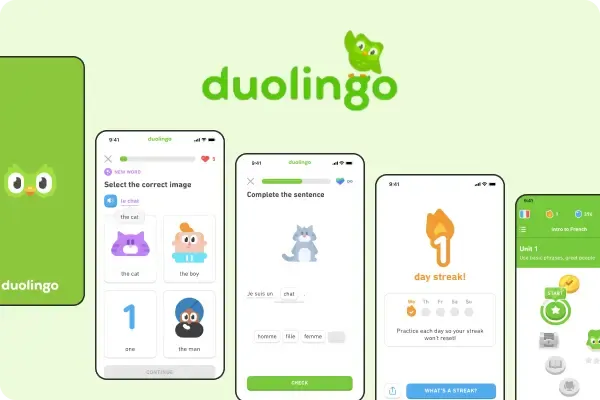
Duolingo has become the world's most popular way to learn a language online, largely thanks to its gamified approach.

  • Streak counter enables daily discipline by rewarding consistency.
  • XP and levels create visible progress that keeps users climbing.
  • Leaderboards spark friendly rivalry and social accountability.
  • Virtual currency (lingots) lets users spend their progress, closing the dopamine loop.

The result? Over 500M downloads and 40M active learners.

Blog image

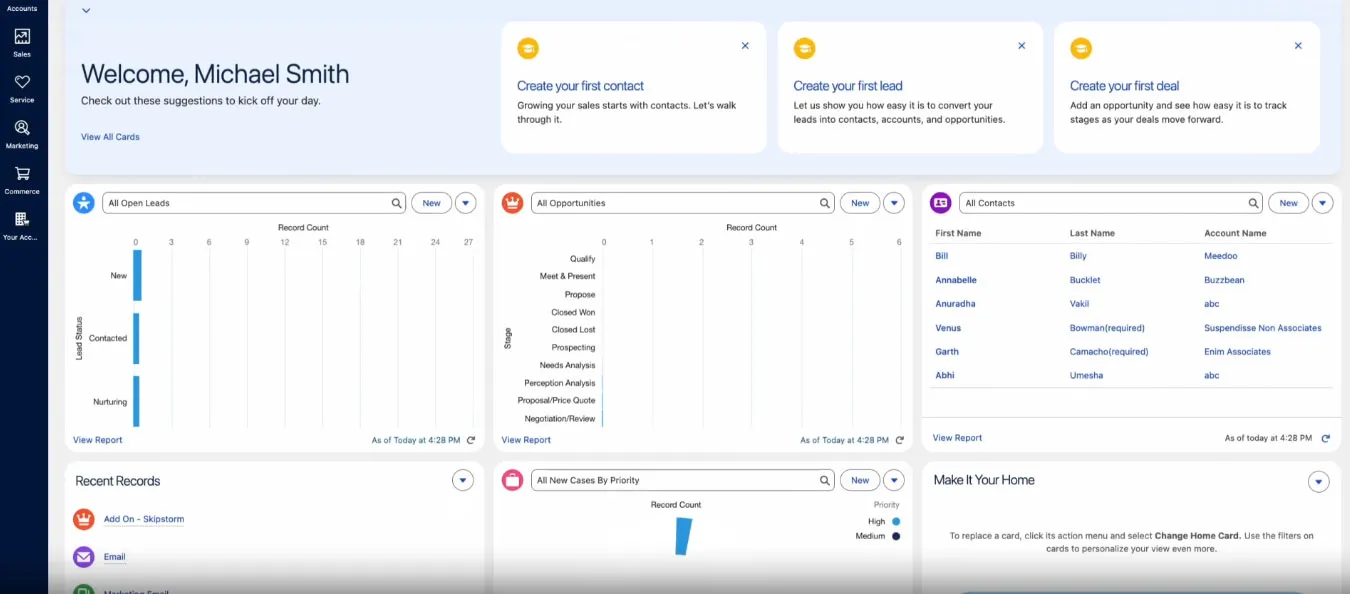
Salesforce

Salesforce brought gamification into the enterprise, transforming pipeline tracking from a chore into a chase.

  • Progress bars give reps visual momentum toward their goals.
  • Leaderboards drive friendly competition across teams.
  • Badges reward consistency, mastery, and completion.
  • Quests turn onboarding and upskilling into themed challenges.

The impact? Teams log in more, sell smarter, and treat CRM usage like a game they want to win.

Blog image

Starbucks

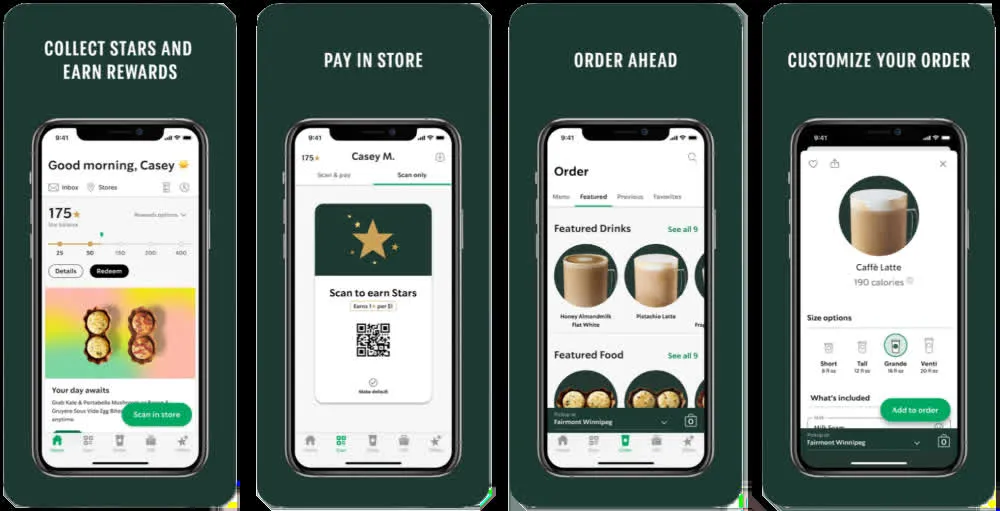
The Starbucks Rewards app turns coffee purchases into a game:

  • Customers earn stars with each purchase, adding a collection element.
  • Different membership levels (Green, Gold) provide a sense of status and progress.
  • Time-limited challenges encourage specific behaviors (e.g., "Try 3 new drinks this month").
  • Random bonus star opportunities add an element of surprise and excitement.

This gamified approach has contributed to the app accounting for nearly 40% of Starbucks' US sales.

Blog image

Good vs bad gamification

Gamification isn't game design. You don't need to be in the gaming industry, as you're building non-game apps that feel like games. Gamification uses psychology to change user behavior. The goal is not to turn your solution into a game, but to make users feel like they are playing one. That's where many get it wrong.

Bad gamification in UX design is just slapping rewards on top of any interaction with no real strategy behind them. It feels forced and unnatural, and users can see right through it.

Successful gamification uses intrinsic motivation to create a sense of fun, flow, and accomplishment that keeps users coming back.

People can feel the difference. Forced systems feel manipulative, while authentic ones feel magnetic. This is why it's crucial to choose strategically where and when you introduce gamification in UX.

If you want a reliable partner in this process with proven experience in gamification across industries, Energma is the right choice. With us, you can incorporate gamification and increase user engagement today.

When not to gamify?

Before adding a single badge or leaderboard, start with user research. Understand what's really draining engagement and fix it right away.

Gamification won't rescue a broken product. If your platform has a confusing UI, frequent bugs, and no customer support, it can't help you. Don't expect gamification to sell your product either. It amplifies value, doesn't replace it.

If your users are getting confused, distracted, or slowed down, pull it back. Good gamification enhances experience, not complicates it.

When your audience isn't tech-savvy, keep it simple. And if you're only adding it because "everyone else is doing it," stop. Always consider your brand identity and your target audience first.

Finally, if gamification risks your brand's professionalism or reliability, leave it out. Engagement isn't worth reputation. In short, do the research first. Then bring in professionals like Energma to help you design gamification that fits your users and drives engagement forward.

Conclusion

From earning points on language-learning apps to competing for the top spot on fitness leaderboards, gamification keeps us motivated and entertained every step of the way. It taps into our natural desire for challenge and reward, making even the most mundane activities feel like an adventure.

But the best part? The journey is only getting started. With adaptive systems powered by AI and behavioral data, gamification will personalize motivation in real time.

Be as creative as you want with your gamification strategy. Just ensure the game elements complement user needs and not overshadow core functionalities. Continuously monitor your strategy, conduct A/B testing, and gather user feedback to ensure it's driving positive results.

Ready to take your UX gamification to the next level? Book a demo to see how Energma can help you better understand users, deploy in-app gamification elements, and track your KPIs.

Table of Contents

  • What is UX Gamification?
  • Types of Gamification
    • Marketing and sales gamification
    • User experience gamification
  • Progress tracking elements
    • Progress bars
    • Scoreboards
    • Leaderboards
    • Levels
  • Rewarding elements
    • Points/coins
    • Achievements
    • Badges
  • Unlockable elements
  • Narrative elements
    • Mascots
    • Avatars
    • Tasks
    • Storyline
  • Bonus elements
    • Mascot marketplace
    • Timed challenges
    • Mini-games
    • Milestone celebration
  • Examples of good UX gamification
    • Duolingo
    • Salesforce
    • Starbucks
  • Good vs bad gamification
  • When not to gamify?
  • Conclusion